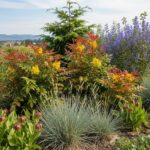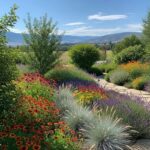


Spring is a vibrant time for gardening enthusiasts, especially in Vernon, BC, where the climate offers unique opportunities for planting. This comprehensive guide will equip you with essential knowledge about the ideal spring planting schedule, the best plants for your garden, and effective soil preparation techniques. Whether you’re a seasoned gardener or a novice, understanding the nuances of spring planting can significantly enhance your gardening experience. Many gardeners face challenges such as choosing the right plants and timing their planting effectively. This guide aims to provide solutions to these common issues, ensuring a flourishing garden. We will explore the optimal planting schedule, the best plants suited for Vernon, soil preparation methods, pest protection strategies, and how Setanta Landscapes can assist you in achieving your gardening goals.
What Is the Ideal Spring Planting Schedule for Vernon BC?
Establishing an effective planting schedule is crucial for a successful garden. In Vernon, the ideal spring planting schedule is influenced by local climate conditions, including frost dates and temperature variations. Understanding when to plant can help maximize your garden’s potential.
When Should You Start Planting Vegetables and Flowers in Vernon?
In Vernon, the best time to start planting vegetables and flowers typically falls between mid-April and early June. Cool-season crops like peas and lettuce can be sown as early as mid-April, while warm-season plants such as tomatoes and peppers should be planted after the last frost, usually around early June. This staggered approach allows for a diverse planting strategy that can yield a variety of produce throughout the season.
How Does Vernon’s Climate Influence Your Spring Planting Calendar?
Vernon’s climate is characterized by its warm summers and cold winters, with a significant risk of late spring frosts. The local climate zone classification indicates that gardeners should be aware of the average last frost date, which typically occurs in early June. This knowledge is essential for planning your planting calendar, ensuring that sensitive plants are not exposed to unexpected cold snaps.
Understanding local climate and soil conditions is crucial for successful gardening, as demonstrated by various regional studies.
BC Garden Soil & Microclimate Assessment Guide
In Vancouver, British Columbia, community gardens are in great demand, but community groups interested in establishing gardens on urban brownfields face several environmental barriers. Identifying and addressing issues related to soil quality and microclimate suitability pose particular challenges. The goal of this study is to aid community groups in overcoming these obstacles through the development of a three-phase Site Assessment Guide. The guide aims to help communities: 1) identify likelihood of soil contamination, 2) assess soil and microclimate quality, and 3) select appropriate management solutions.
Assessing urban brownfields for community gardens in Vancouver, British Columbia, 2010
Which Are the Best Plants for Spring Gardens in Vernon BC?

Choosing the right plants for your spring garden is vital for ensuring a vibrant and healthy landscape. In Vernon, several plants thrive during the spring months, offering both beauty and resilience.
What Are the Top Spring Garden Plants and Early Spring Flowers for Vernon?
Some of the top spring garden plants for Vernon include:
- Pansies: These hardy flowers bloom early and can withstand cooler temperatures, adding vibrant colors to your garden.
- Snapdragons: Known for their unique shape and variety of colors, snapdragons thrive in the spring and can continue blooming into summer.
- Lettuce: A fast-growing vegetable, lettuce can be planted early in the season and harvested throughout the spring.
These plants not only enhance the aesthetic appeal of your garden but also provide early harvests for your kitchen.
Which Native and Drought-Resistant Plants Thrive in Vernon’s Spring?
Incorporating native and drought-resistant plants into your garden can lead to a more sustainable and low-maintenance landscape. Some excellent options include:
- Sagebrush: This native plant is drought-resistant and provides habitat for local wildlife.
- Lupine: Known for its striking flowers, lupine is well-suited to Vernon’s climate and requires minimal water.
- Yarrow: This hardy perennial thrives in various soil types and is known for its medicinal properties.
These plants not only support local ecosystems but also reduce the need for excessive watering, making them ideal for environmentally conscious gardeners.
How Do You Prepare Soil and Fertilize for Spring Planting in Vernon?
Soil preparation is a critical step in ensuring the success of your spring garden. Properly prepared soil provides the necessary nutrients and structure for healthy plant growth.
What Are the Best Soil Preparation Techniques for Vernon Gardens?

Effective soil preparation techniques include:
- Soil Testing: Conducting a soil test helps determine pH levels and nutrient content, allowing for tailored amendments.
- Amending Soil: Adding organic matter, such as compost or well-rotted manure, improves soil structure and fertility.
- Tilling: Lightly tilling the soil helps aerate it and incorporate amendments, promoting healthy root development.
These techniques create a fertile environment for your plants, enhancing their growth potential.
Further research highlights the importance of understanding local soil characteristics for optimal plant growth and nutrient management.
Vernon BC Soil Chemical Properties & Nutrient Uptake
A three-year study in Vernon B.C. considered the effects of two levels of wastewater irrigation on tree growth, nutrient uptake rates by the foliage and wood, nutrient leaching, and chemical properties of soils in a short rotation intensive culture (SRIC) hybrid poplar plantation where fourteen different clones were planted in separate subplots in a 5-ha area.
Renovation of wastewater by a short rotation intensive culture hybrid poplar plantation in Vernon, BC, 1977
Which Fertilization Practices Support Healthy Spring Plant Growth?
Fertilization practices play a vital role in supporting plant health. Recommended practices include:
- Using Slow-Release Fertilizers: These provide a steady supply of nutrients over time, reducing the risk of nutrient leaching.
- Applying Organic Fertilizers: Options like fish emulsion or bone meal can enhance soil health and promote robust plant growth.
- Timing Fertilization: Fertilizing at planting time and again mid-season can ensure that plants receive adequate nutrients throughout their growth cycle.
Implementing these practices will help your plants thrive during the critical spring growth period.
How Can You Protect Your Spring Plants from Pests and Frost in Vernon?
Protecting your plants from pests and frost is essential for maintaining a healthy garden. Implementing effective strategies can safeguard your plants from common threats.
What Are Effective Pest Management Strategies for Spring Gardens?
To manage pests effectively, consider the following strategies:
- Regular Monitoring: Inspect plants regularly for signs of pests, such as discolored leaves or visible insects.
- Companion Planting: Planting certain species together can deter pests naturally. For example, marigolds can repel nematodes.
- Organic Pesticides: Utilizing organic options like neem oil can help control pest populations without harming beneficial insects.
These strategies will help maintain a balanced ecosystem in your garden, promoting healthy plant growth.
How to Safeguard Plants Against Late Spring Frosts in Vernon?
To protect your plants from late spring frosts, consider these methods:
- Covering Plants: Use frost cloths or blankets to cover sensitive plants during cold nights.
- Mulching: Applying a layer of mulch can help insulate the soil and protect roots from temperature fluctuations.
- Choosing Hardy Varieties: Selecting frost-resistant plant varieties can minimize the risk of damage from unexpected cold snaps.
By implementing these protective measures, you can ensure that your plants remain safe and healthy throughout the spring season.
How Can Setanta Landscapes Support Your Spring Planting Needs in Vernon?
Setanta Landscapes is a landscaping service provider based in Vernon, Canada, specializing in comprehensive outdoor solutions including garden design, planting, and maintenance. Our expertise can help you achieve a thriving garden this spring.
What Spring Planting and Garden Preparation Services Does Setanta Landscapes Offer?
Setanta Landscapes offers a range of services tailored to meet your spring planting needs, including:
- Garden Design: Our team can help you create a beautiful and functional garden layout that suits your space.
- Soil Preparation: We provide professional soil testing and amendment services to ensure optimal growing conditions.
- Planting Services: Our experts can assist with selecting and planting the best varieties for your garden.
These services are designed to simplify the gardening process and enhance your outdoor space.
How to Schedule a Consultation for Personalized Spring Garden Planning?
To schedule a consultation with Setanta Landscapes, simply reach out to us via our website. Our team will work with you to understand your gardening goals and develop a personalized plan that meets your needs. Expect a thorough assessment of your space and tailored recommendations for plants and design.
By partnering with Setanta Landscapes, you can ensure a successful and enjoyable spring planting experience in Vernon.