

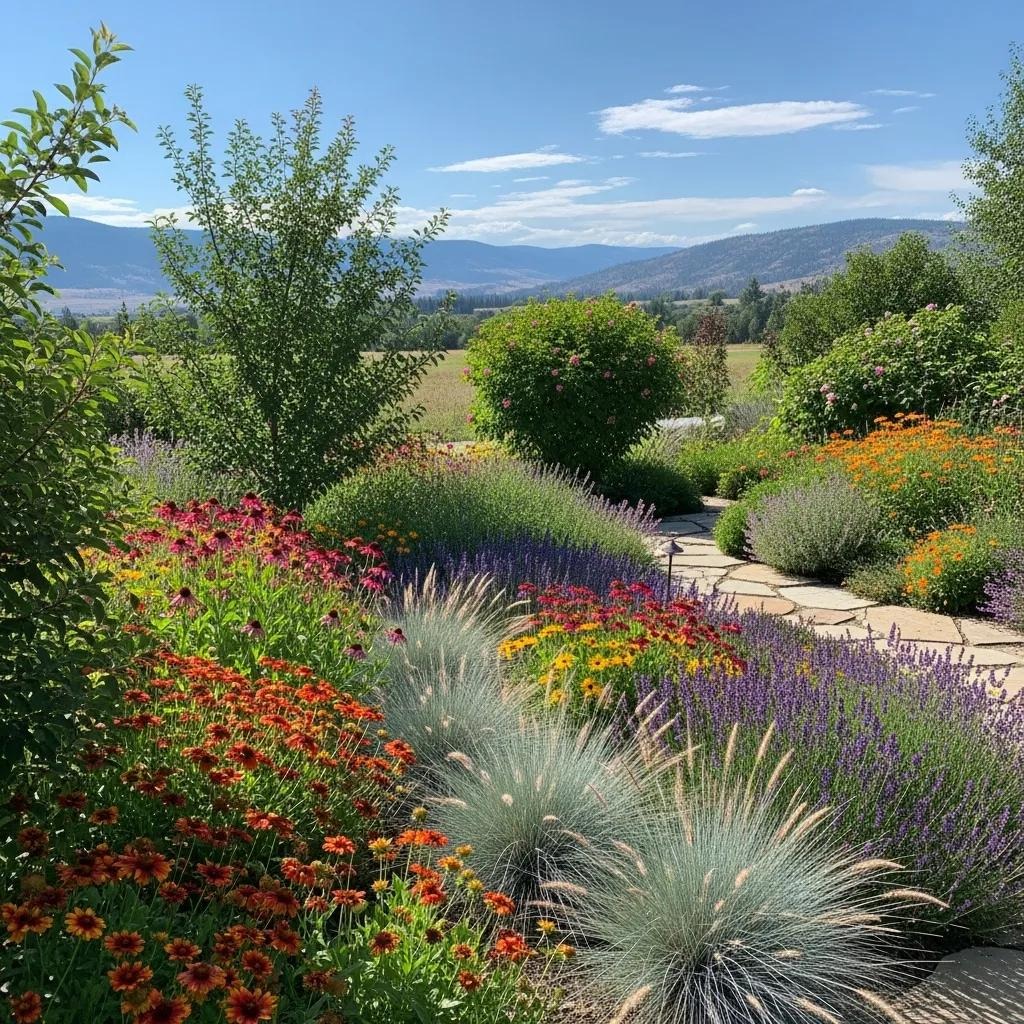

Landscaping in Vernon, BC, presents unique challenges and opportunities due to its semi-arid climate and diverse ecosystems. Homeowners and landscapers alike are increasingly turning to native and drought-tolerant plants to create sustainable gardens that thrive in this environment. This article will explore the best plants suited for Vernon’s landscaping needs, focusing on their benefits, care requirements, and how they contribute to a more sustainable landscape. By understanding the characteristics of these plants, you can make informed choices that enhance your garden’s beauty while conserving water and supporting local wildlife. We will cover native plants, drought-tolerant options, care requirements, and additional sustainable practices to help you create a thriving garden.
The broader context of sustainable landscape management in the Okanagan Valley highlights the importance of integrating ecological services and biodiversity amidst regional challenges.
Sustainable Landscape Management in Okanagan Valley, BC
Abstract Agricultural land represents a significant proportion of global land use; consequently, agricultural activities can have a profound effect on the surrounding landscape, including the ecosystems and habitat relied upon by species within. Managing for ecosystem services (ES) and biodiversity in agroecosystems can provide benefits that offset the environmental impacts of agriculture, including improved soil health and water quality, natural pest control, and climate change mitigation. The goal of this research project is to investigate how integrating ES and biodiversity in agroecosystems can serve to support sustainable multifunctional landscapes, focusing on the Okanagan Valley, Canada, a multifunctional landscape facing challenges of population growth, land use/land cover change, and climate change.
Integrating ecosystem services and biodiversity in landscape management for multifunctional agroecosystems: A case study in the Okanagan Valley, British Columbia, 2020
Native Plants
Native plants are species that naturally occur in a specific region, making them well-adapted to local conditions. In Vernon, BC, these plants offer numerous benefits, including lower maintenance needs and enhanced biodiversity. They are typically more resilient to local pests and diseases, reducing the need for chemical interventions. Some of the best native plants for landscaping in Vernon include:
Indeed, the inherent advantages of native species for sustainable landscaping have long been recognized by experts.
Benefits of Native Species for Sustainable Landscaping
When reclamation seeks to reintegrate disturbed lands into the natural landscape, use of native species could have decided ecological, economic and aesthetic advantages. As products of millions of years of adaption to varied environments, native species generally require no maintenance, are self perpetuating, and are visually integrated with surrounding landscapes.
Native species in reclamation of disturbed lands, 1977
- Western Red Cedar: A majestic tree that provides shade and habitat for wildlife.
- Saskatoon Berry: A shrub that produces edible berries and attracts pollinators.
- Lupine: A flowering plant that adds vibrant color and supports soil health.
Incorporating native plants into your landscape not only enhances its aesthetic appeal but also contributes to the local ecosystem by providing food and shelter for native wildlife.
Drought-Tolerant Plants
Drought-tolerant plants are essential for sustainable landscaping in Vernon, especially given the region’s dry summers. These plants require less water and are better suited to withstand periods of low rainfall. Some excellent drought-tolerant options for Vernon include:
- Lavender: Known for its fragrant flowers and resilience, lavender thrives in dry conditions.
- Sedum: A succulent that stores water in its leaves, making it ideal for xeriscaping.
- Yarrow: A hardy perennial that attracts beneficial insects and requires minimal water.
By selecting drought-tolerant plants, you can create a beautiful landscape that conserves water and reduces maintenance efforts.
Care Requirements
Maintaining a sustainable garden with native and drought-tolerant plants involves understanding their specific care requirements. Here are some essential practices to ensure your plants thrive:
- Watering Practices: Water deeply but infrequently to encourage deep root growth. Early morning is the best time to water to minimize evaporation.
- Soil Preparation: Ensure good drainage and amend soil with organic matter to improve fertility and moisture retention.
- Maintenance Tips: Regularly check for pests and diseases, and use organic methods for control. Mulching can help retain soil moisture and suppress weeds.
Integrating these care practices will help your native and drought-tolerant plants flourish, creating a sustainable and low-maintenance landscape.
Additional Sustainable Practices
In addition to selecting the right plants, implementing sustainable practices can further enhance your landscaping efforts. Consider the following:
- Rainwater Harvesting: Collecting rainwater for irrigation reduces reliance on municipal water sources.
- Composting: Using organic waste to create compost enriches soil and reduces landfill waste.
- Natural Pest Control: Encouraging beneficial insects and using organic pesticides can help maintain a healthy garden ecosystem.
These practices not only support your plants but also contribute to a healthier environment.
Which Native Plants Thrive in the Okanagan Region?
The Okanagan region is home to a variety of native plants that thrive in its unique climate. Some of the most suitable native plants for landscaping in this area include:
- Bitterbrush: A drought-resistant shrub that provides habitat for wildlife.
- Serviceberry: A small tree or shrub that produces edible berries and supports local fauna.
- Bluebunch Wheatgrass: A grass that stabilizes soil and provides forage for wildlife.
These plants are well-adapted to the local conditions and can enhance the beauty and sustainability of your landscape.
What Are the Benefits of Using Native Plants in Vernon Landscaping?
Using native plants in your landscaping offers several key benefits:
- Adaptation to Local Conditions: Native plants are naturally suited to the local climate, requiring less water and maintenance.
- Lower Maintenance: These plants are more resilient to local pests and diseases, reducing the need for chemical treatments.
- Biodiversity Support: Native plants provide essential habitat and food for local wildlife, promoting a balanced ecosystem.
By incorporating native plants into your garden, you can create a sustainable landscape that thrives with minimal intervention.
Which Native Wildflowers and Shrubs Are Ideal for Vernon Gardens?
When selecting native wildflowers and shrubs for your garden, consider the following options:
- Indian Paintbrush: A striking wildflower that adds color and attracts pollinators.
- Goldenrod: A hardy perennial that blooms in late summer and supports beneficial insects.
- Red Osier Dogwood: A shrub with vibrant red stems that provide winter interest and habitat for birds.
These plants not only enhance the visual appeal of your garden but also contribute to the local ecosystem.
How Do Drought-Tolerant Plants Support Water-Wise Landscaping in Vernon?
Drought-tolerant plants play a crucial role in water-wise landscaping by:
- Reducing Water Consumption: These plants require significantly less water than traditional landscaping options, making them ideal for dry climates.
- Lowering Maintenance Needs: With their resilience to drought, these plants require less frequent watering and care.
- Enhancing Soil Health: Many drought-tolerant plants improve soil structure and health, promoting a sustainable garden environment.
Incorporating these plants into your landscape design can lead to a more sustainable and eco-friendly garden.
What Are the Best Xeriscape Plants for Vernon BC?
Xeriscaping is a landscaping method that reduces or eliminates the need for irrigation. Some of the best xeriscape plants for Vernon include:
- Agave: A succulent that thrives in dry conditions and adds architectural interest.
- Russian Sage: A perennial that produces beautiful purple flowers and requires minimal water.
- Blanket Flower: A vibrant wildflower that attracts pollinators and thrives in poor soil.
These plants are perfect for creating a low-water landscape that is both beautiful and functional.
How Do Drought-Resistant Plants Reduce Maintenance and Water Use?
Drought-resistant plants contribute to reduced maintenance and water use in several ways:
- Deep Root Systems: These plants develop extensive root systems that access moisture deep in the soil, reducing the need for frequent watering.
- Low Nutrient Requirements: Many drought-resistant plants thrive in poor soil conditions, minimizing the need for fertilizers.
- Natural Pest Resistance: These plants are often more resilient to pests and diseases, reducing the need for chemical interventions.
By choosing drought-resistant plants, you can create a landscape that is both beautiful and easy to maintain.
What Sustainable Landscape Design Services Does Setanta Landscapes Offer?
Setanta Landscapes is a professional landscaping company based in Vernon, BC, specializing in sustainable and climate-appropriate landscaping solutions. Their services include:
- Custom Landscape Design: Tailored designs that incorporate native and drought-tolerant species to create sustainable gardens.
- Soil Preparation and Maintenance: Expert advice on soil health and preparation for optimal plant growth.
- Sustainable Practices Consultation: Guidance on implementing eco-friendly practices in your landscaping projects.
By working with Setanta Landscapes, you can ensure that your landscaping efforts are both beautiful and sustainable.
How Does Custom Landscape Design Incorporate Native and Drought-Tolerant Species?
Custom landscape design by Setanta Landscapes focuses on integrating native and drought-tolerant species to create a harmonious and sustainable garden. This approach includes:
- Plant Selection: Choosing plants that are well-suited to the local climate and soil conditions.
- Design Principles: Utilizing design techniques that enhance the natural beauty of the landscape while promoting biodiversity.
- Irrigation Solutions: Implementing efficient irrigation systems that minimize water use and support plant health.
This thoughtful integration of native and drought-tolerant species results in a landscape that thrives with minimal maintenance.
How to Schedule a Consultation for Personalized Sustainable Garden Planning?
To schedule a consultation with Setanta Landscapes, simply reach out to us via our website. Expect a thorough assessment of your space and tailored recommendations for plants and design.
By partnering with Setanta Landscapes, you can ensure a successful and enjoyable sustainable planting experience in Vernon.