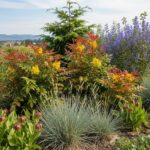


As climate change intensifies, the need for sustainable gardening practices becomes increasingly urgent. Implementing water-saving techniques in your garden not only conserves this precious resource but also promotes healthier plant growth. This article explores various sustainable water-saving techniques, including efficient irrigation systems, drought-resistant plants, and smart water management strategies. By understanding these methods, gardeners can significantly reduce water usage while maintaining vibrant and thriving gardens.
In this guide, we will cover the most efficient irrigation systems, the best drought-resistant plants for Canadian climates, the benefits of rainwater harvesting and greywater use, effective mulching techniques, and key landscaping design principles that promote water conservation.
What Are the Most Efficient Irrigation Systems for Water Conservation?

Efficient irrigation systems are crucial for minimizing water waste in gardens. These systems deliver water directly to the plant roots, ensuring that every drop counts. Among the most effective methods are “drip irrigation” and smart irrigation controllers, which can reduce water usage significantly while promoting healthy plant growth.
How Does Drip Irrigation Reduce Garden Water Usage by Up to 50 Percent?
Drip irrigation is a method that delivers water directly to the base of plants through a network of tubing and emitters. This targeted approach minimizes evaporation and runoff, allowing for more efficient water use. Studies show that drip irrigation can reduce water usage by 30 to 50 percent compared to traditional sprinkler systems. By providing a slow and steady supply of moisture, plants can absorb water more effectively, leading to healthier growth and reduced water waste.
What Are the Benefits of Smart Irrigation Controllers in Sustainable Gardening?
Smart irrigation controllers utilize weather data and soil moisture levels to optimize watering schedules. These devices adjust the amount of water delivered based on real-time conditions, ensuring that gardens receive the right amount of moisture without overwatering. Benefits include reduced water consumption, lower utility bills, and healthier plants. By integrating smart technology into irrigation practices, gardeners can achieve significant water savings while maintaining lush landscapes.
Studies further highlight the effectiveness of advanced systems in managing urban garden irrigation autonomously and efficiently.
Smart Irrigation Systems for Urban Garden Water Management
Water is a limited resource. It is crucial promoting water efficiency strategies to help decrease the amount of water wasted. This study describes a system (iRain), developed by the authors, which aims to ensure autonomous and efficient irrigation in urban gardens. It consists of a net of sensors and actuators with Zigbee communication and control software for storage and availability of monitoring data on a web portal in real time. In manual mode, the irrigation management is the responsibility of the irrigation manager in order to control the system from the portal. In automatic mode, the system prevents watering if there is a forecast of precipitation (up to 3 days) and if the humidity of the soil has not fallen below a critical value. In this mode the decision is made at the local station. The system also gives preference to irrigation at night and during periods of light wind in order to obtain more accurate and efficient irrigation.
Advanced system for garden irrigation management, F Caetano, 2015
Setanta Landscapes offers efficient irrigation installation services that can help you implement these advanced systems in your garden, ensuring optimal water conservation and plant health.
Which Drought-Resistant Plants Thrive in Canadian Climates?

Selecting the right plants is essential for creating a sustainable garden that requires minimal watering. Drought-resistant plants are adapted to thrive in low-water conditions, making them ideal for many Canadian climates, especially in regions prone to dry summers. These plants not only conserve water but also enhance biodiversity and provide habitat for local wildlife.
What Native Plant Species Require Less Frequent Watering?
Native plants are well-suited to local climates and soil conditions, often requiring less water than non-native species. Examples of drought-resistant native plants include:
- Purple Coneflower (Echinacea purpurea): This hardy perennial thrives in sunny locations and attracts pollinators.
- Black-eyed Susan (Rudbeckia hirta): Known for its bright yellow flowers, this plant is drought-tolerant and easy to maintain.
- Wild Bergamot (Monarda fistulosa): This fragrant herb is not only drought-resistant but also attracts bees and butterflies.
Incorporating these native species into your garden can significantly reduce water needs while supporting local ecosystems.
How to Select and Incorporate Xeriscaping Plants for Water-Wise Gardens?
Xeriscaping is a landscaping method that emphasizes water conservation through the use of drought-tolerant plants. When selecting xeriscaping plants, consider the following criteria:
- Adaptability: Choose plants that are well-suited to your local climate and soil conditions.
- Diversity: Incorporate a variety of species to enhance biodiversity and resilience.
- Maintenance: Opt for low-maintenance plants that require minimal care and watering.
By following these guidelines, gardeners can create beautiful, water-efficient landscapes that thrive even in dry conditions. Setanta Landscapes can assist in selecting and incorporating drought-resistant plants into your garden design.
Further research emphasizes the importance of specific selection indicators for identifying and choosing drought-tolerant plant species.
Identifying & Selecting Drought-Tolerant Garden Plants
RWL and UTR were proved best selection indicator for the selection of drought tolerant species. Ulmus parvifolia, Bidens bipinnata, Patrinia villosa, Kummerowia striata, Arundinella hirta, Artemisia gmelini etc. were selected drought tolerant plants. Shoot growth appearance of drought resistant plants was differed pot and sloping land. These results will be served efficiently plant breeding.
Selection Indices to Identify Drought-tolerance and Growth Characteristics of the Selected Korean Native Plants, 2016
How Can Rainwater Harvesting and Greywater Use Enhance Garden Water Efficiency?
Rainwater harvesting and greywater recycling are effective methods for enhancing water efficiency in gardens. These practices not only reduce reliance on municipal water supplies but also promote sustainable water use.
What Are the Step-by-Step Methods to Install a Rainwater Harvesting System?
Installing a rainwater harvesting system involves several key steps:
- Choose a Collection Area: Identify a roof or surface where rainwater can be collected.
- Install Gutters and Downspouts: Direct rainwater from the roof into a storage tank.
- Select a Storage Tank: Choose a tank that meets your water needs and fits your space.
- Connect to Irrigation System: Use the harvested rainwater to irrigate your garden.
By following these steps, gardeners can effectively capture and utilize rainwater, reducing their overall water consumption.
How Does Greywater Recycling Support Sustainable Garden Water Use?
Greywater recycling involves reusing water from sinks, showers, and washing machines for irrigation purposes. This practice can significantly reduce water waste and lower utility bills. To implement greywater recycling, consider the following:
- Install a Greywater System: Set up a system that safely diverts greywater to your garden.
- Use Biodegradable Soaps: Ensure that the products you use are safe for plants and the environment.
- Follow Local Regulations: Check local guidelines regarding greywater use to ensure compliance.
By incorporating greywater recycling into your gardening practices, you can enhance water efficiency and promote sustainability.
What Mulching and Soil Moisture Retention Techniques Improve Water Conservation?
Mulching is a vital technique for conserving soil moisture and reducing evaporation. By covering the soil with organic or inorganic materials, gardeners can create a barrier that retains moisture and suppresses weeds.
How Does Mulching Enhance Soil Moisture and Reduce Evaporation?
Mulching helps maintain soil moisture by reducing evaporation rates and regulating soil temperature. Organic mulches, such as wood chips or straw, also improve soil structure as they decompose, enhancing nutrient availability for plants. To effectively use mulch, consider the following:
- Apply a Layer: Spread a 2-4 inch layer of mulch around plants to maximize moisture retention.
- Choose the Right Material: Select mulch that complements your garden aesthetic and provides additional benefits, such as weed suppression.
By implementing mulching techniques, gardeners can significantly improve water conservation in their gardens.
Which Soil Types Benefit Most from Moisture Retention Practices?
Different soil types have varying moisture retention capabilities. Sandy soils drain quickly and may require more frequent watering, while clay soils retain moisture but can become compacted. To enhance moisture retention, consider the following practices:
- Amend Soil: Incorporate organic matter, such as compost, to improve soil structure and moisture retention.
- Use Cover Crops: Plant cover crops during the off-season to enhance soil health and moisture retention.
By understanding soil types and implementing moisture retention practices, gardeners can optimize water use and promote healthy plant growth.
What Are the Key Water Conservation Landscaping Design Principles?
Effective landscaping design principles play a crucial role in promoting water conservation. By integrating efficient irrigation and plant selection, gardeners can create sustainable landscapes that thrive with minimal water use.
How to Integrate Efficient Irrigation and Plant Selection in Landscape Design?
To create a water-efficient landscape, consider the following strategies:
- Group Plants by Water Needs: Arrange plants with similar water requirements together to optimize irrigation.
- Incorporate Native and Drought-Resistant Plants: Select plants that are well-adapted to local conditions and require less water.
- Design for Water Flow: Create contours and swales to direct water to where it is needed most.
By applying these principles, gardeners can design landscapes that are both beautiful and sustainable.
What Case Studies Demonstrate Successful Water-Efficient Garden Projects?
Several successful water-efficient garden projects showcase the effectiveness of sustainable landscaping practices. For example, a community garden in Vernon, British Columbia, implemented a rainwater harvesting system and xeriscaping techniques, resulting in a 30-40% reduction in water usage. Another project utilized smart irrigation controllers, leading to a 20-30% decrease in water consumption while maintaining vibrant plant health. These case studies highlight the potential for water conservation through thoughtful design and implementation.
| Design Principle | Description | Impact |
|---|---|---|
| Grouping Plants | Arranging plants by water needs | Optimizes irrigation efficiency |
| Native Plant Selection | Using local species | Reduces water requirements |
| Smart Irrigation | Implementing technology for watering | Minimizes waste and enhances plant health |
These principles and case studies illustrate the importance of strategic planning in achieving water conservation in gardening.
By adopting these sustainable water-saving techniques, gardeners can significantly reduce their water usage while creating beautiful and thriving landscapes. Setanta Landscapes is dedicated to helping you implement these practices in your garden, ensuring a sustainable and efficient approach to landscaping.