
Spring Garden Care Vernon: Essential Landscaping Tips for Your Vernon BC Property

As spring approaches, homeowners in Vernon, BC, are eager to revitalize their gardens and landscapes. This season presents a unique opportunity to enhance the beauty and functionality of outdoor spaces. In this article, we will explore essential spring landscaping tips tailored specifically for your Vernon property. You will learn how to prepare your garden soil, prune trees and shrubs, manage pests, and select native plants that thrive in the local climate. By following these guidelines, you can ensure a vibrant and healthy garden that flourishes throughout the spring and beyond.
Spring landscaping is not just about aesthetics; it also involves practical steps to prepare your garden for the growing season. Many homeowners struggle with soil preparation, pest management, and plant selection, which can hinder their gardening efforts. This article will provide actionable insights to address these challenges effectively. We will cover topics such as soil conditioning, pruning techniques, mulching strategies, and the benefits of native plants. Let’s dive into these essential spring landscaping tips for your Vernon BC property.
How Do I Prepare My Vernon BC Garden Soil for Spring?
Vernon BC Soil & Tree Health: Wastewater Irrigation Study
A three-year study in Vernon B.C. considered the effects of two levels of wastewater irrigation on tree growth, nutrient uptake rates by the foliage and wood, nutrient leaching, and chemical properties of soils in a short rotation intensive culture (SRIC) hybrid poplar plantation where fourteen different clones were planted in separate subplots in a 5-ha area.
Renovation of wastewater by a short rotation intensive culture hybrid poplar plantation in Vernon, BC, 1994
What Are the Best Soil Testing and Conditioning Practices in Vernon BC?
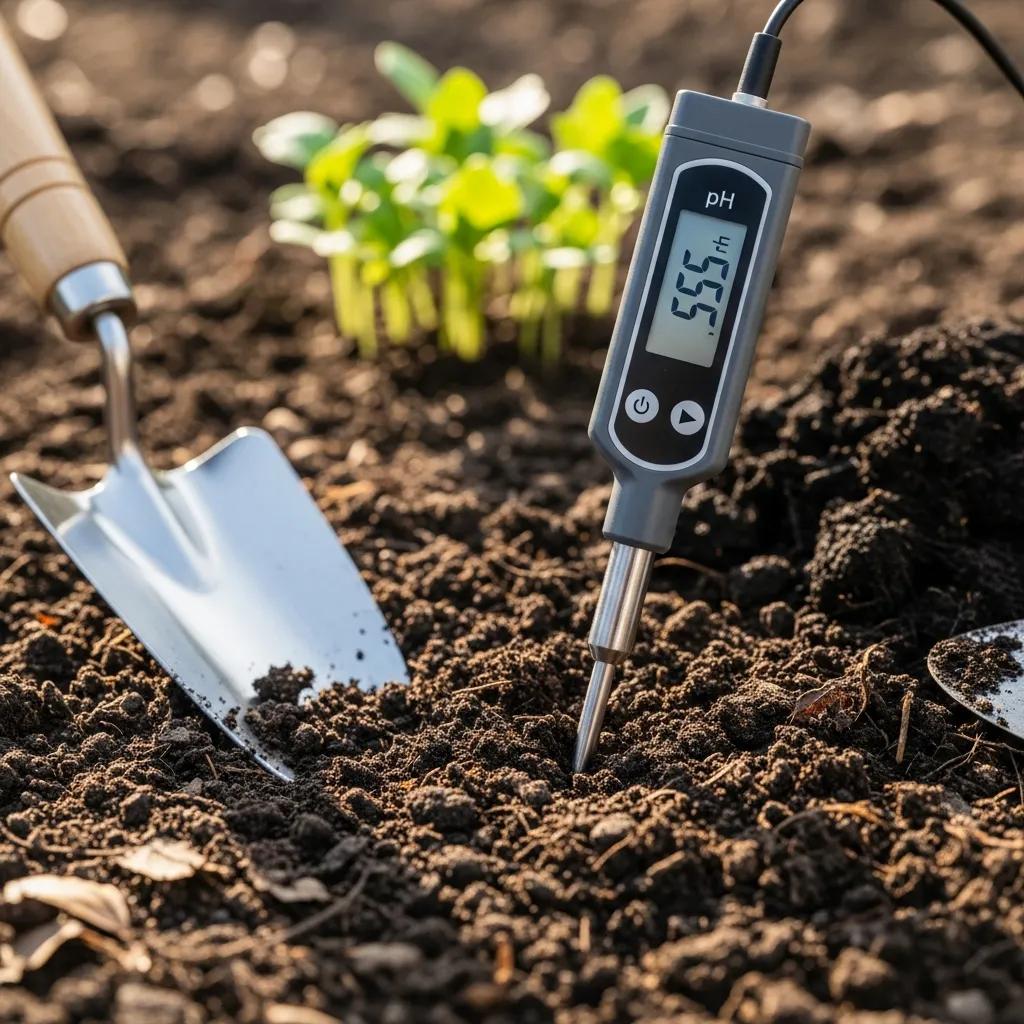
To prepare your garden soil effectively, start with soil testing. This process helps determine pH levels and nutrient content, guiding your conditioning efforts. Recommended soil tests include:
- PH Testing: Assessing the acidity or alkalinity of your soil helps identify necessary amendments.
- Nutrient Analysis: Understanding nutrient levels allows you to add specific fertilizers or organic matter.
- Texture Assessment: Knowing your soil’s texture (sandy, loamy, or clay) informs your conditioning approach.
Once you have your test results, consider conditioning techniques such as adding organic matter, like compost, to improve soil structure and fertility. Local resources, such as garden centers, can provide soil amendments tailored to Vernon’s typical soil conditions.
Further research emphasizes the importance of thorough site assessment, including soil and microclimate analysis, for successful gardening and plant selection in British Columbia.
BC Garden Soil Assessment & Native Plant Selection
Identifying and addressing issues related to soil quality and microclimate suitability pose particular challenges. The goal of this study is to aid community groups in overcoming these obstacles through the development of a three-phase Site Assessment Guide. The guide aims to help communities: 1) identify likelihood of soil contamination, 2) assess soil and microclimate quality, and 3) select appropriate management solutions.
Assessing urban brownfields for community gardens in Vancouver, British Columbia, 2010
When and How Should I Prune Shrubs and Trees in Spring?
Which Pruning Techniques Reduce Plant Disease Risk in Vernon BC?
- Clean Cuts: Use sharp, clean tools to make precise cuts, reducing the risk of infection.
- Timing: Prune during dry weather to prevent moisture-related diseases.
- Remove Dead or Diseased Wood: This practice helps prevent the spread of diseases and encourages healthy growth.
What Are Effective Mulching and Weed Control Strategies for Spring?
How Does Organic Mulch Benefit Your Vernon BC Garden?
- Moisture Retention: Organic mulch helps retain soil moisture, reducing the need for frequent watering.
- Weed Suppression: A thick layer of mulch can prevent weed growth, minimizing competition for nutrients.
- Soil Improvement: As organic mulch decomposes, it enriches the soil with nutrients, promoting healthy plant growth.
Mulch Type | Benefits | Application |
|---|---|---|
Wood Chips | Long-lasting, suppresses weeds | 2-4 inches thick around plants |
Straw | Lightweight, good for vegetable gardens | 2-3 inches thick, replenished as needed |
Shredded Leaves | Nutrient-rich, improves soil | 2-3 inches thick, decomposes quickly |
How Can I Manage Common Spring Pests and Diseases in Vernon BC?
What Are Integrated Pest Management Tips for Vernon BC Gardens?
- Regular Monitoring: Check plants frequently for signs of pests or diseases.
- Cultural Practices: Maintain healthy plants through proper watering, fertilization, and spacing to reduce pest attraction.
- Biological Controls: Introduce beneficial insects, such as ladybugs, to help control pest populations naturally.
Which Native Plants Are Recommended for Spring Landscaping in Vernon BC?
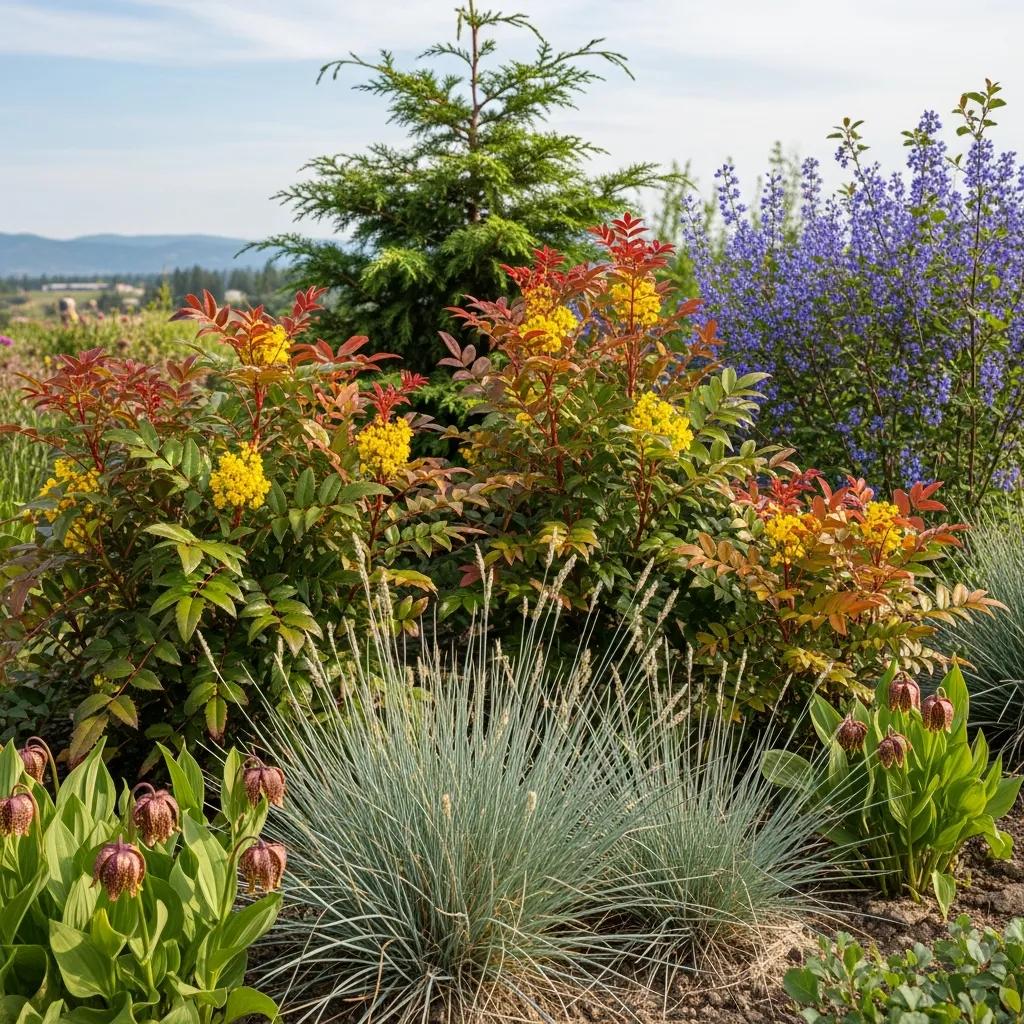
How Do Native Plants Improve Climate Resilience in Vernon Gardens?
- Drought Tolerance: Many native species are adapted to local climate conditions, requiring less water.
- Soil Stabilization: Their root systems help prevent soil erosion and improve soil structure.
- Wildlife Support: Native plants provide habitat and food for local wildlife, promoting biodiversity.
What Are Best Practices for Sustainable Watering and Irrigation Checks in Spring?
How to Optimize Irrigation Systems for Vernon BC’s Spring Climate?
To optimize your irrigation systems, consider the following practices: Check for Leaks: Regularly inspect hoses and irrigation systems for leaks to prevent water waste. Adjust Timing: Water early in the morning or late in the evening to minimize evaporation. Use Drip Irrigation: This method delivers water directly to the plant roots, reducing waste and promoting healthy growth. By implementing these practices, you can ensure your garden receives the necessary water while conserving resources. Setanta Landscapes is a landscaping service provider based in Vernon BC, specializing in comprehensive landscape solutions including design, maintenance, and seasonal preparation. If you need assistance with your spring landscaping projects, consider reaching out to professionals who can help you achieve your gardening goals.